

how to draw rubber hose style

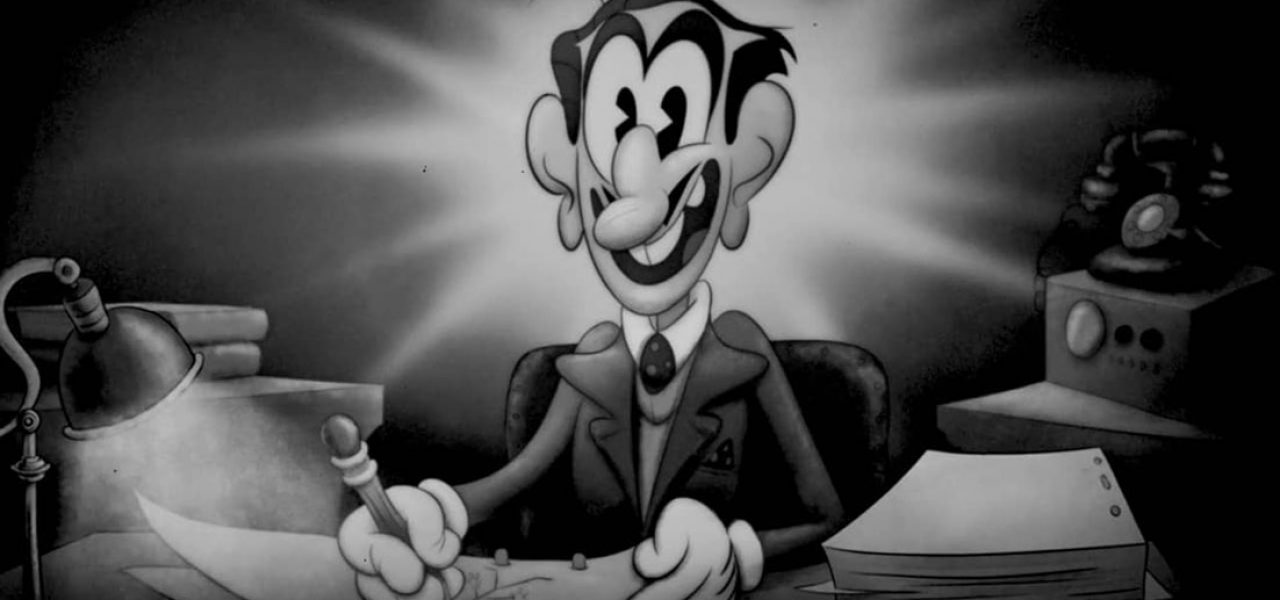

How They Did It: Creating A 1920s Rubber-Hose Blitheness Style For 'Waldo'southward Dream'
The upcoming Chilean animated feature Homeless, produced by Fábula and Lunes Blitheness Studio, has a decidedly contemporary look, however, the directors of the picture wanted to have a short sequence in the feature made in the mode of old Disney cartoons from the 1920s and early-1930s. To create that sequence, entitled "Waldo's Dream," they reached out to Colombia's Venturia Blitheness Studios and managing director Juan M. Urbina.
The beginning part of the "Waldo's Dream" sequence, which is a riff on a certain famous American animation creator, was done in the classic condom-hose style of one-time Mickey Mouse and Fleischer cartoons, while the second half takes on the more lush expect of Technicolor animated shorts of the 1940s. The sequence has since screened as a standalone brusk at animation festivals including Annecy, Hiroshima, and Anima Mundi, and can be viewed below:

Cartoon Brew spoke to Urbina to learn about the techniques that artists at Venturia used to attain an authentic 1920s feel for the sequence:
Art direction
Venturia Animation: "No affair how authentic the bodily character animation procedure ends upward being, the character and groundwork design has to follow the rules of the era and ignore design trends that came afterward (for case stylized/cubist design), otherwise the result will be seen as contemporary. It might effect in a very absurd-looking style, but certainly not authentic. Our background painter Karlos Velásquez really nailed that painterly look using digital tools to mimic the watercolor backgrounds of the era."
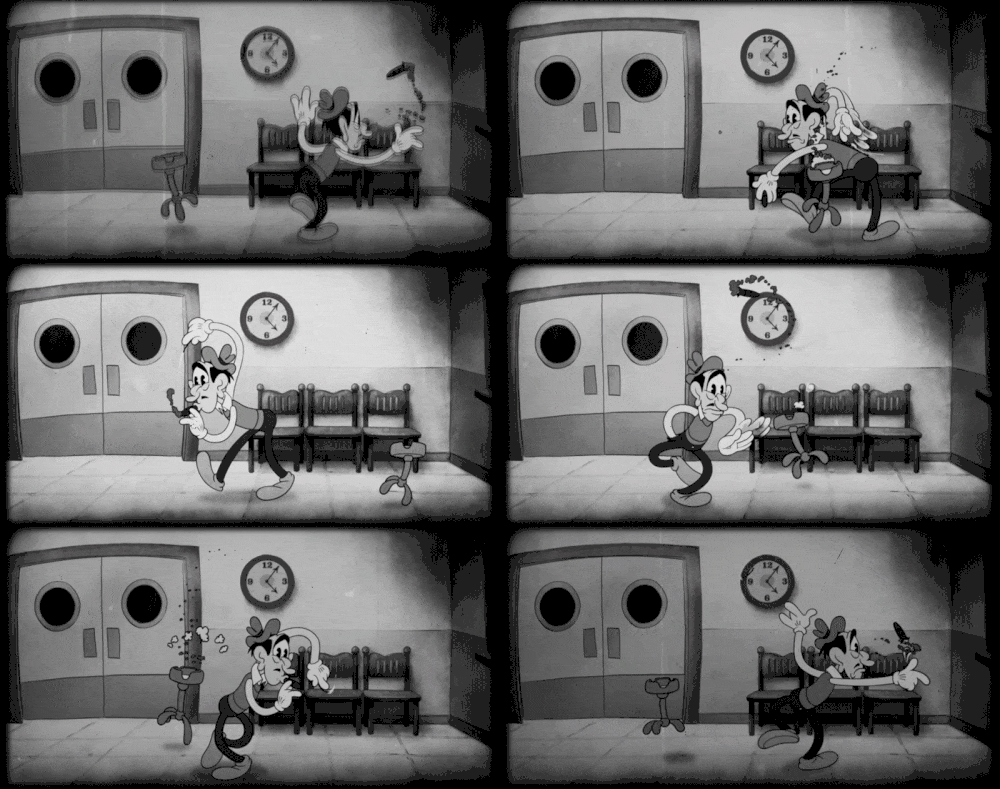
Animation
Venturia Animation: "The way to accomplish the rubber-hose animation style is not just by mitt-drawing the characters in funny vintage proportions (that comes from the design) only also in the way the animation arcs are planned and peculiarly in doing that combination of quirky timing and excessive looping. Back in the 24-hour interval, all of the characters appearing in frame would move at all times (in fright that audiences would be bored by the lack of movement!), and so in order to avoid spending also much money on each shot, they used the same animation over and over past doing loops. Richard Manuel Plata who served every bit animation supervisor is a master at doing that style. Plata and his assistant Meliza Mayor made a lot of intentional ink-and-paint mistakes on some of the shots to make it even more than accurate."
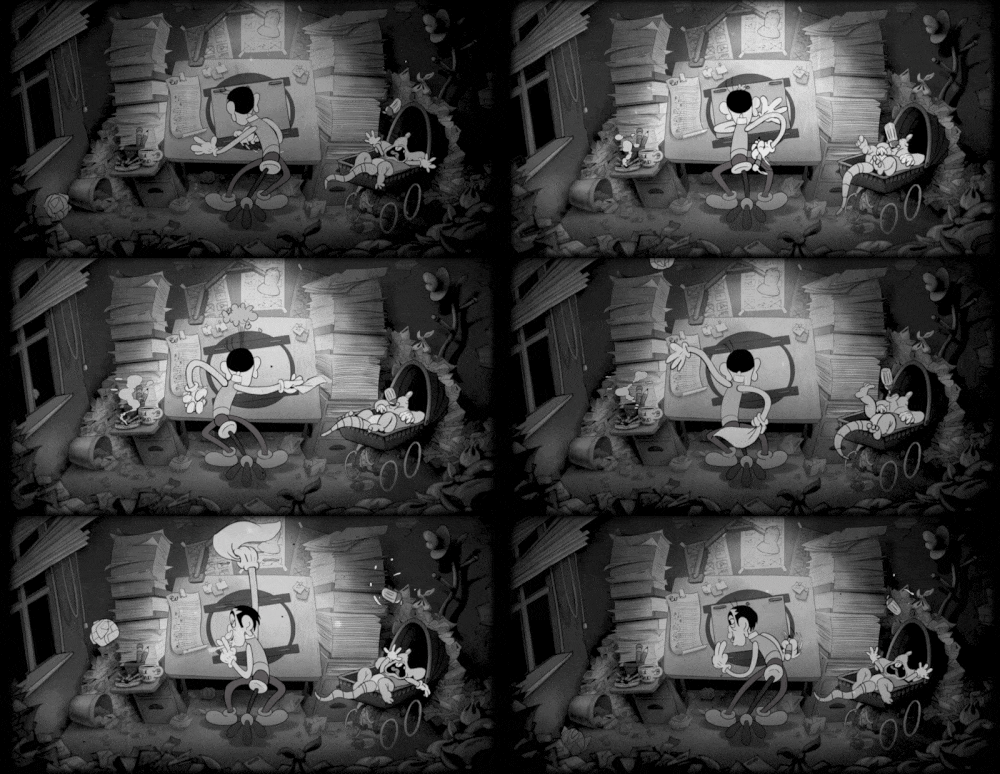
Compositing
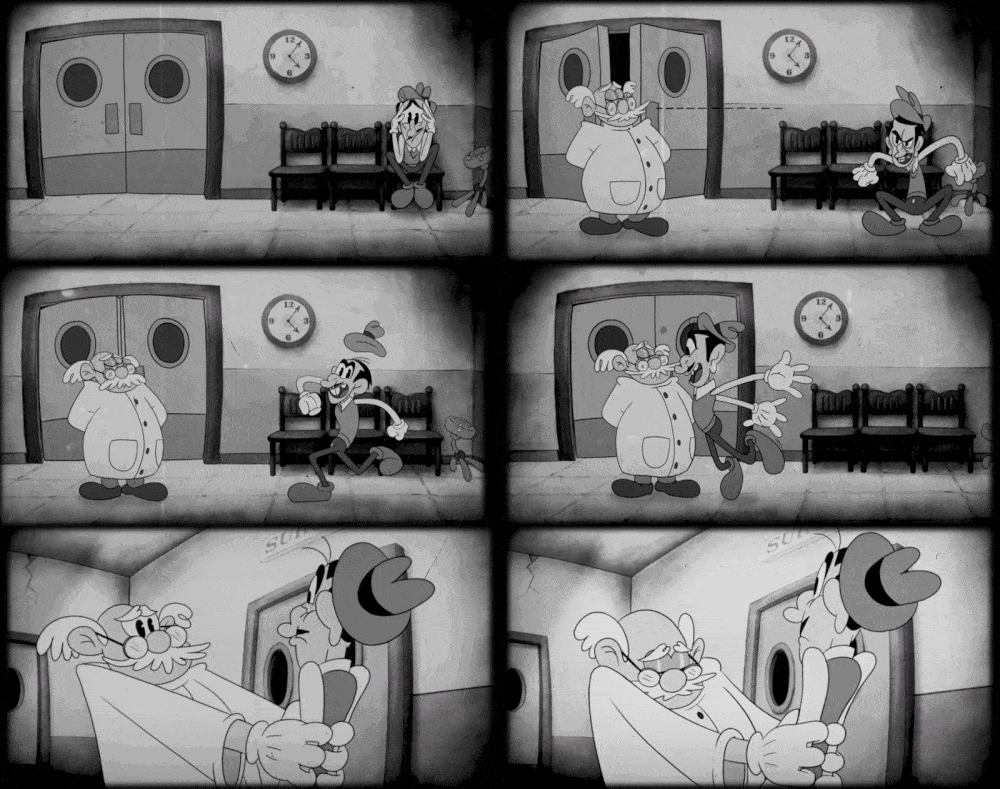
Venturia Animation: "Last simply non least at that place is compositing. Juan Fermín Mulett, who was in charge of doing all the compositing for the piece, studied quondam cartoons very closely. One could almost say he spent most of his work days on the project playing shorts similar the Mickey Mouse flick The Mad Medico (1933) on i screen while running Afterwards Effects on the other. He added lots of intentional errors, scratches, and overexposure to the piece. And the central element: before inking-and-painting was done through a computer, cartoon characters used to be physical sheets of celluloid over a background painted on a lath, which means the characters projected a shadow on tiptop of the groundwork. Past adding this detail intentionally on most of the shots, the accurate look was completed."
Credits
A Artistic Service by Venturia Blitheness Studios for Fábula, Lunes Cine TV
Sequence managing director: Juan K. Urbina
Line producer: Julián Urbina
Backgrounds: Carlos Velásquez
Compositing: Juan Fermín Mulett
Animation supervisor: Richard Manuel Plata
Animation: Joshua Schneider, José Gregorio Moreno, Camilo Ayala Nieto, Michael Abarca, Richard Manuel Plata
Animation assistant: Laura Meliza Mayor
Sound blueprint for director's cut: Carlos Reyes Serrano
Animatic: José Navarro
Latest News from Drawing Brew

Source: https://www.cartoonbrew.com/shorts/how-they-did-it-creating-a-1920s-rubber-hose-animation-style-for-waldos-dream-176746.html
Posted by: spurrining1960.blogspot.com
0 Response to "how to draw rubber hose style"
Post a Comment